It is 2:30 in the afternoon. Your eyes feel heavy, the words on your screen are swimming, and the thought of a quick lie-down is almost irresistible. Then you remember the last time you napped and woke up two hours later feeling like you had been dropped from a great height.
A nap does not have to be like that. Done well, a short rest can leave you feeling clearer and calmer for the rest of the day. Here is a simple guide to napping well, without the grogginess.
Why short is best
When you fall asleep, your body drifts into lighter sleep first and then into deeper sleep after a while. If you wake from deep sleep, you often feel heavy and confused. That fuzzy feeling has a name, sleep inertia, and most of us know it well.
A short nap keeps you in the lighter stages, so you wake more easily. For most people, 10 to 20 minutes is the sweet spot. Think of it as a small reset, not a second night of sleep.
Pick your moment
Timing matters too. For many people, the natural afternoon dip arrives somewhere between 1 and 3 in the afternoon. That is usually a good window.
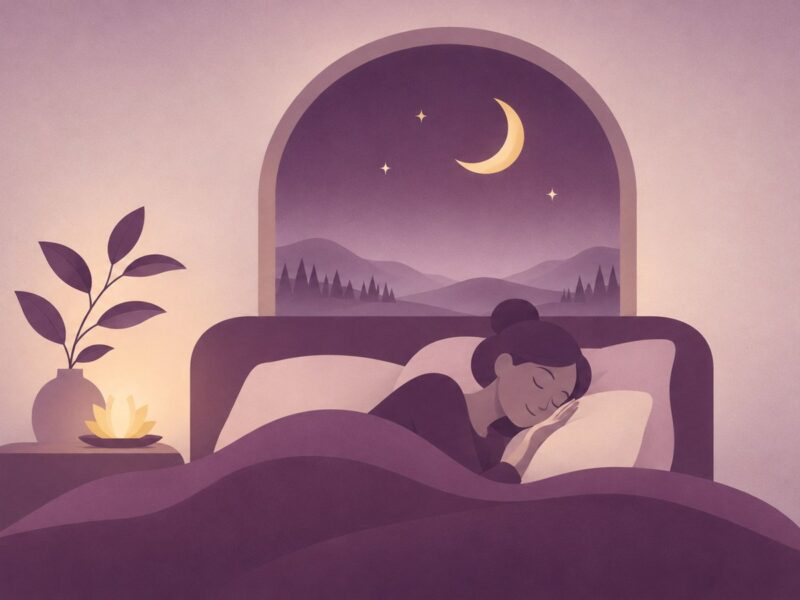
Try to avoid napping late in the day, since it can make falling asleep at night harder. A useful rule of thumb is to finish your nap at least 6 hours before bedtime. If you have had a rough night and are struggling to sleep, it is worth paying attention to how naps affect you, and keeping them short and early.
Set up your nap spot
A good nap needs only a few simple things. You do not need a bed, though it can help to avoid the one you sleep in at night if you tend to oversleep.
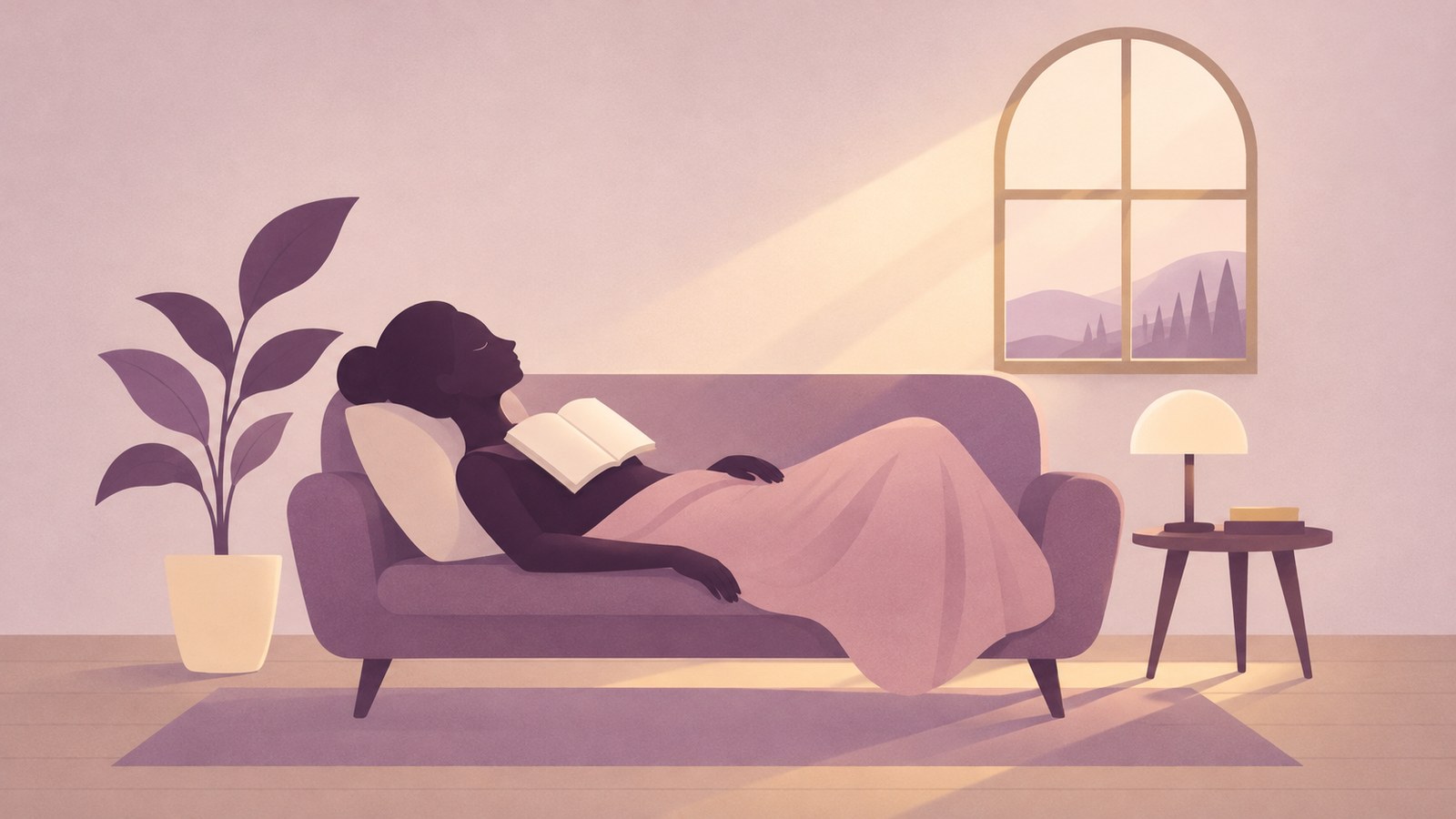
- A comfortable place. A sofa, a reclining chair or a floor with cushions all work well.
- Dim light. Draw the curtains or use an eye mask or folded scarf.
- A light blanket. Your body temperature dips a little as you rest, so something cosy helps.
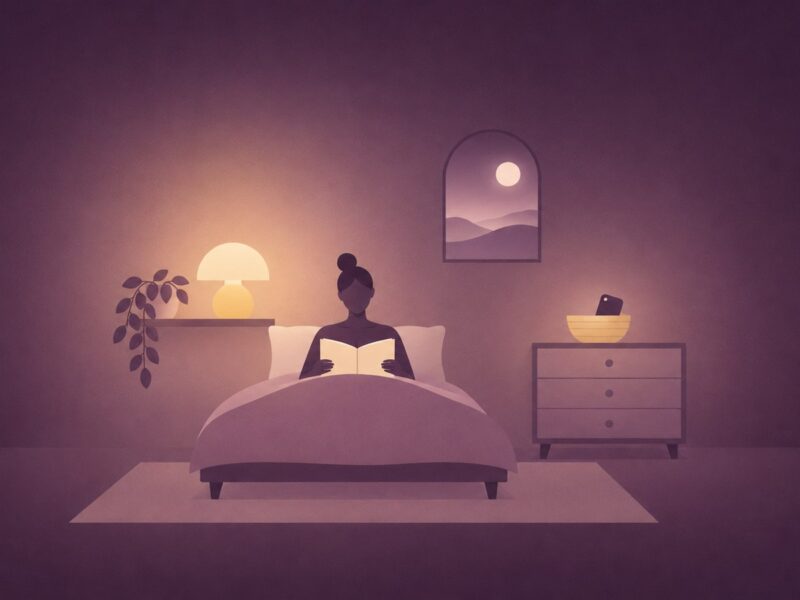
- A quiet phone. Put it on silent, except for one thing: a gentle alarm.
A simple 15-minute nap routine
Here is an easy routine to try. It takes only a few minutes to settle in.
- Set an alarm for 20 minutes. That gives you a few minutes to drift off and about 15 to rest.
- Lie back and let your legs be heavy. Release your jaw, your tongue and your forehead.
- Breathe in through your nose for four, and out slowly for six, about 6 times.
- Let your breath go back to normal and let your thoughts drift by like clouds.
Do not worry if you do not actually fall asleep. Lying still with your eyes closed is still genuinely restful, and many people find it just as refreshing.
Tip: place your alarm out of reach, so you do not hit snooze and slide into a deeper sleep.
Waking up gently
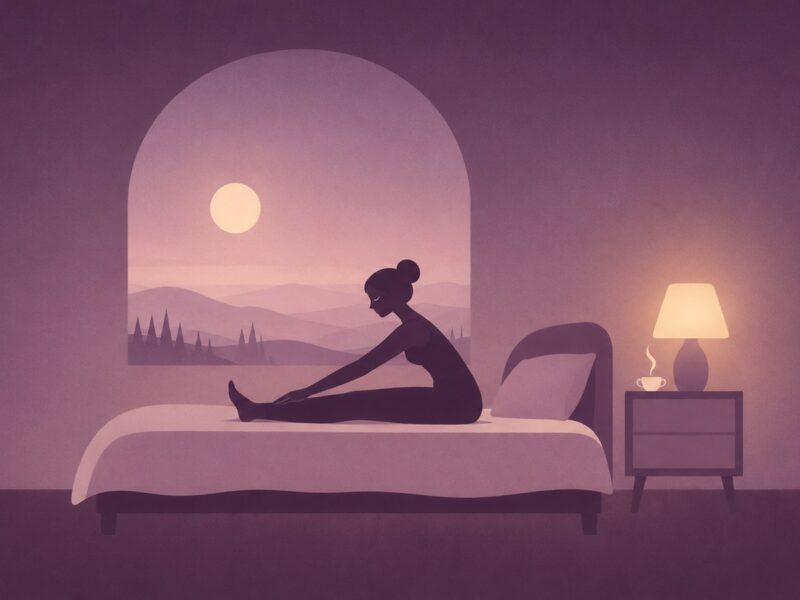
When the alarm rings, do not leap up. Take a slow stretch with your arms overhead and wiggle your toes. Sit up and take a few easy breaths. Drink a glass of water, and if you can, step into some daylight or walk to a window for a minute.
If you still feel fuzzy, give it a few minutes. The grogginess usually passes quickly after a short nap.
What if you cannot nap at work?
Not everyone has a sofa nearby, and that is okay. You can still take a “rest break” at your desk: close your eyes, rest your forearms on the table, and breathe slowly for 5 minutes. Or step outside for a short walk in daylight, which can lift that afternoon fog on its own.
A glass of water and a few shoulder rolls also work wonders. Small pauses add up, and they teach you that stopping for a moment is not laziness, it is part of looking after your energy.
When a nap is not the answer
If you feel the need to nap for long periods every day, or you are tired no matter how much you sleep, it is a good idea to mention it to your doctor. Tiredness can have many causes, and it is worth checking.
For ordinary afternoon dips, though, a tiny rest is a lovely, kind habit. Your day does not have to be one long push.
If you enjoy that quiet, restful feeling, you may love the final relaxation in our classes, which feels like a guided nap with a bit of yoga before it. You can book your free first class and see for yourself.