It is 10:40 pm. You only meant to check one message, and now you are forty minutes deep in videos about restoring old furniture. Sound familiar? Most of us have been there, and it is not a lack of willpower. Phones are designed to be hard to put down.
The good news is that you do not need to quit screens forever. A few small swaps, and a little planning, can make your last hour of the day feel softer. The trick is to replace the phone with something pleasant, not just take it away.
Start with a “phone bedtime”
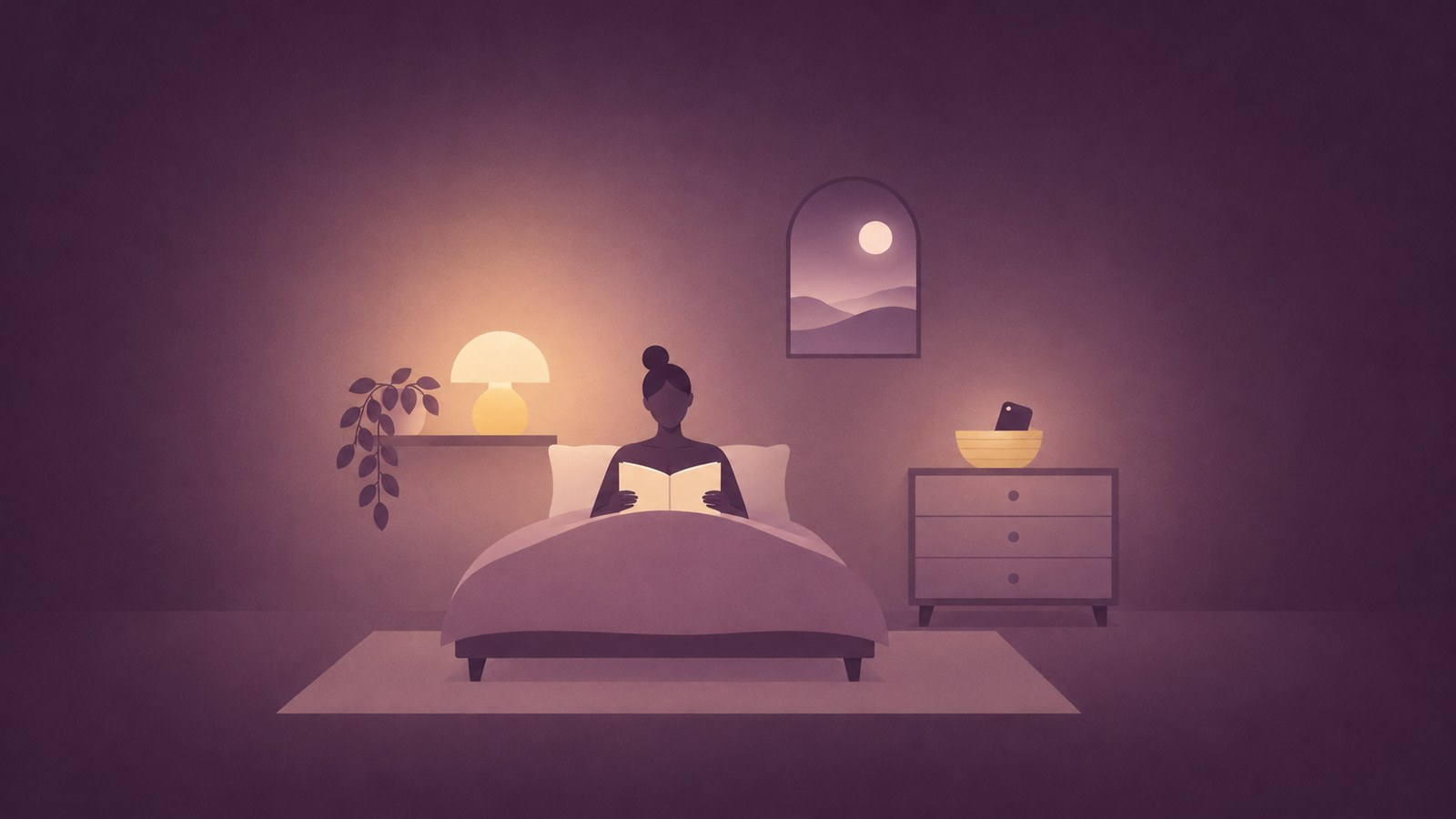
Pick a time, ideally 30 to 60 minutes before you want to be asleep, when the phone goes to bed first. Set a gentle alarm to remind you, and give your phone a “home” away from the bed: a basket on the dresser, a shelf in the hallway, or a charger in the kitchen.
If you use your phone as an alarm clock, a small, cheap clock with a soft light solves that problem. Once the phone is out of arm’s reach, the late-night scroll simply has less chance to happen.
Swap one: the book you keep meaning to read
Paper books are wonderfully boring in the best way. They do not buzz, they do not suggest the next thing, and they end when the chapter ends. Keep one on your pillow so it is the first thing you see.
Start with just 10 minutes. If you fall asleep after two pages, that is a perfectly good result.
Swap two: gentle sound instead of bright pictures
If you love your evening podcast or music, you can keep it. Set it up before your phone bedtime, choose something calm, and let it play from a speaker across the room with the screen turned off. Your eyes get a rest while your ears still get company.
Swap three: a tiny “brain dump” notebook
Many late-night scrolls start because the mind is busy. Keep a small notebook and pen on your nightstand and spend two minutes writing:
- Three things you need to do tomorrow.
- One thing that went well today.
- Anything you are worried about remembering.
Once it is on paper, your phone does not need to hold it for you.
Swap four: a few slow stretches
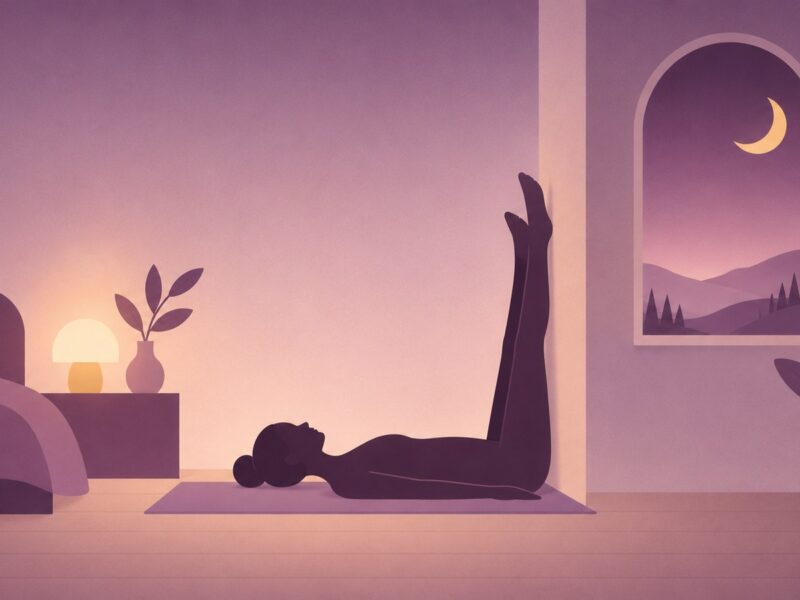
When your thumb itches to reach for the phone, try three slow shoulder rolls backwards, a gentle neck stretch on each side, and five long breaths. It takes about two minutes and gives your hands something kinder to do. If something hurts, stop and check in with a professional.
Tip: put the “swap” where the phone used to be. A book on the nightstand and a notebook on the pillow make the new habit the easy one.
What if you need your phone?
Real life has emergencies, family members and on-call shifts. If you need to stay reachable, use “do not disturb” with a short list of people who can still get through, and keep the phone face down, across the room, with the brightness low.
You can also try a softer middle step first: switch on night mode, lower the brightness and set a limit of 15 minutes. Small steps are still steps.
Make the first week easy
You do not need to go fully screen-free on night one. Try this plan:
- Nights 1 to 2: phone goes to its home 15 minutes before bed.
- Nights 3 to 4: make it 30 minutes, and add your book or notebook.
- Nights 5 to 7: add a few stretches or a warm drink, as in our evening wind-down routine.
If you slip, no drama. Tomorrow evening is a fresh start.
A gentler end to the day
Many people find that the first few nights feel a little strange, a bit like leaving a noisy room. After that, the quiet starts to feel like a gift. You may notice you are more present in the last hour of your day, and that falling asleep feels less like a chore.
If you would like a calm, guided way to slow down, your first live class is free, and we would love to see you there.