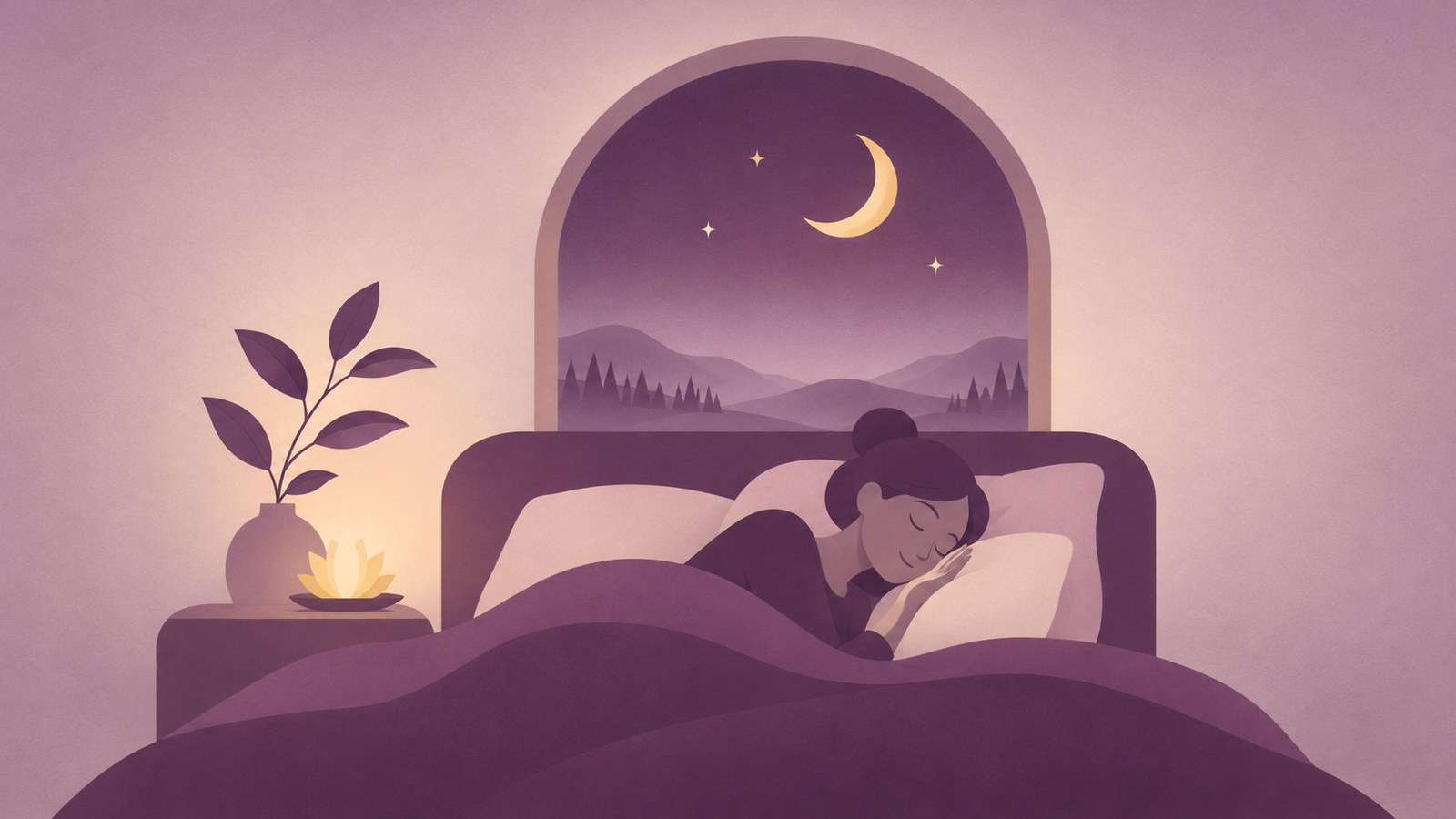
Think about the last time you had a truly bad night. The next day, the coffee tasted thinner, small things felt bigger, and even choosing what to cook for dinner felt like a puzzle. Most of us have been there, and most of us have shrugged it off with “I’ll catch up at the weekend.”
Sleep is easy to treat as the first thing to trim when life gets busy. But it quietly sits underneath almost everything else you care about: your mood, your patience, your focus, even how motivated you feel to move your body. Let’s look at why it matters, and how to give it a little more respect without turning it into another chore.
What sleep does while you are not watching
It can look like nothing is happening when you are asleep, but your body and mind are busy. Your brain sorts through the day, tucking away what matters and letting go of what does not. Your muscles relax and your body gets a chance to settle and recover from being “on” all day.
Most adults do best with somewhere around 7 to 9 hours a night. That is a general guide, not a rule. Some people feel great on a little less, others need a little more. The real test is simple: how do you feel on a normal day?
How you may notice it in daily life
When sleep is short, the signs are usually ordinary and easy to miss. You might recognise a few of these:
- You reach for snacks and caffeine more than usual.
- You feel snappier with people you love.
- Your mind wanders in the middle of a conversation or a task.
- Exercise, even a gentle walk, feels like a mountain.
None of this means something is wrong with you. It is simply what a tired person looks like, and it is a very human thing.
Rest is not a reward, it is part of the plan
Many of us quietly believe we must earn rest by getting everything done first. In my classes I often see students apologise for lying down in the final relaxation, as if they should be doing something more useful. I always say the same thing: resting is doing something.
Try flipping the idea. Instead of “I’ll sleep when I’ve finished”, try “I’ll sleep so I can do my day well.” It is a small change in wording, but it can soften the guilt that keeps people up scrolling at midnight.
Tip: pick a “lights out” time you could honestly keep four nights out of seven. Consistency beats perfection every time.
Three small things to try this week
You do not need to rebuild your whole life. Choose one of these and stay with it for a week.
- Keep a steadier wake-up time. Getting up at roughly the same time each day, even on weekends, helps your body find its rhythm. Try to stay within an hour of your usual time.
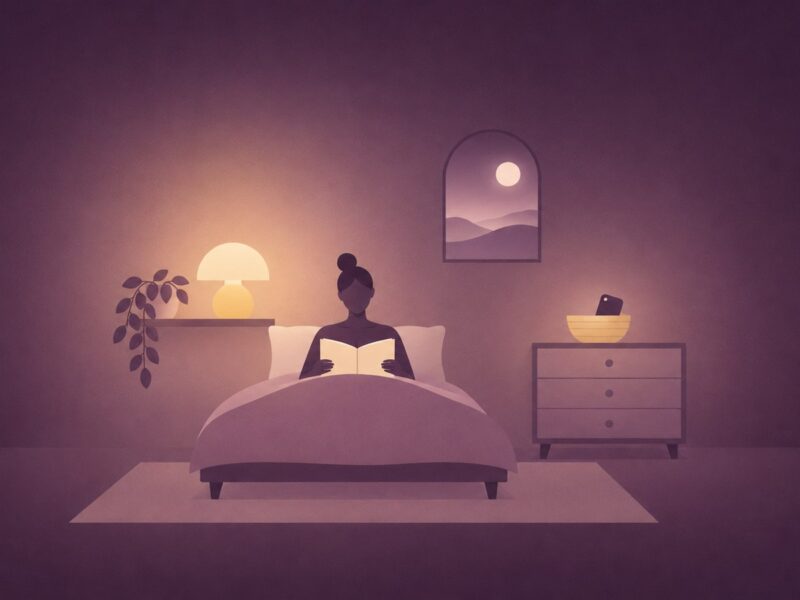
- Set a “screens down” alarm. Put a gentle reminder on your phone 30 minutes before bed. When it rings, put the phone on charge across the room.
- Take three slow breaths in bed. Breathe in through your nose for a count of four, and out for a count of six. Let your shoulders drop a little more each time.
Notice how you feel in the morning, without judging it. A few days of gentle attention will tell you more than any gadget.
When a night goes wrong
Every sleeper has bad nights. If you lie awake, try not to wrestle with it. Stressing about being awake is often what keeps us awake. Instead, let your body rest even if your mind is busy: lie comfortably, soften your jaw, and breathe slowly. If you are still wide awake after about 20 minutes, get up, sit somewhere dim with a calm book, and go back to bed when you feel sleepy.
If sleep trouble goes on for weeks or really affects your days, it is worth talking to a doctor or other professional. This blog is about everyday habits, not medical advice, and you deserve proper support if you need it.
Be kind to your tired self
Better sleep rarely arrives in one big leap. It tends to come from small, repeated kindnesses: a calmer evening, a darker room, a slower breath. Some nights will be good and some will not, and that is fine.
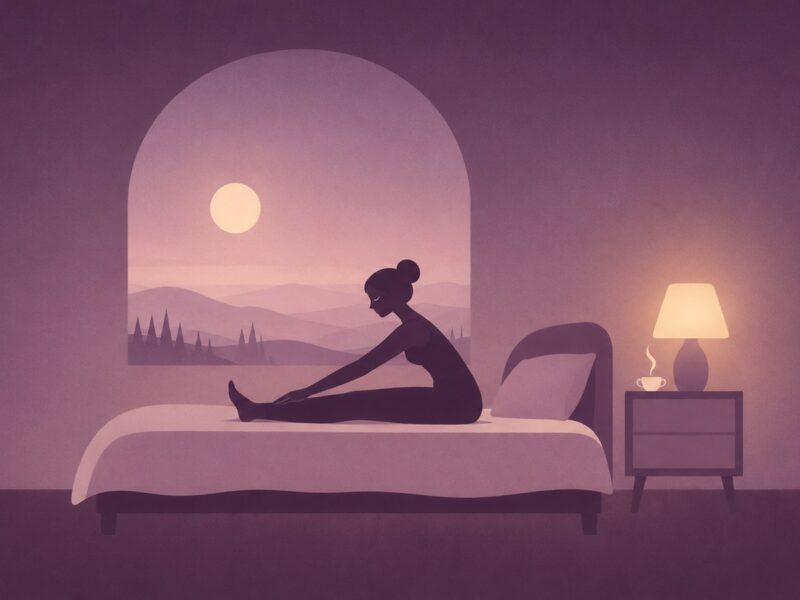
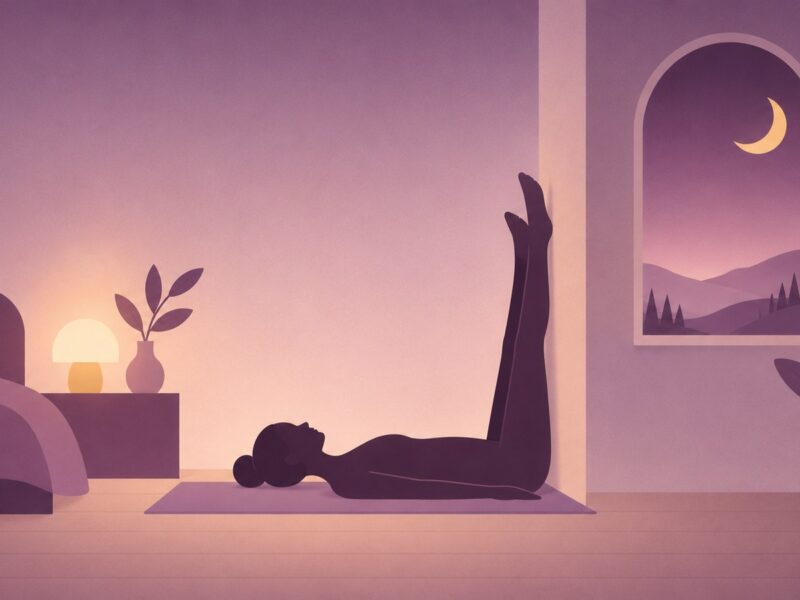
If you would like a gentle way to teach your body how to unwind, a live yoga class in the evening can be a lovely start, and your first live class is free. Come as you are, tired included.