Walk into your bedroom tonight and pretend you are a guest seeing it for the first time. Is it calm? Or does it look like a mix of laundry basket, office and cinema? Our bodies pick up on our surroundings more than we realise, and a room that says “work” or “busy” can make it harder to say “rest.”
The good news is that you do not need a renovation or a new mattress. A few small changes, mostly free, can turn your bedroom into a place that actually helps you sleep. Here is where to start.
Start with darkness
Darkness is one of the easiest and most powerful changes. Even small lights, like a standby light on a charger or the glow from a street lamp, can nudge a light sleeper awake.
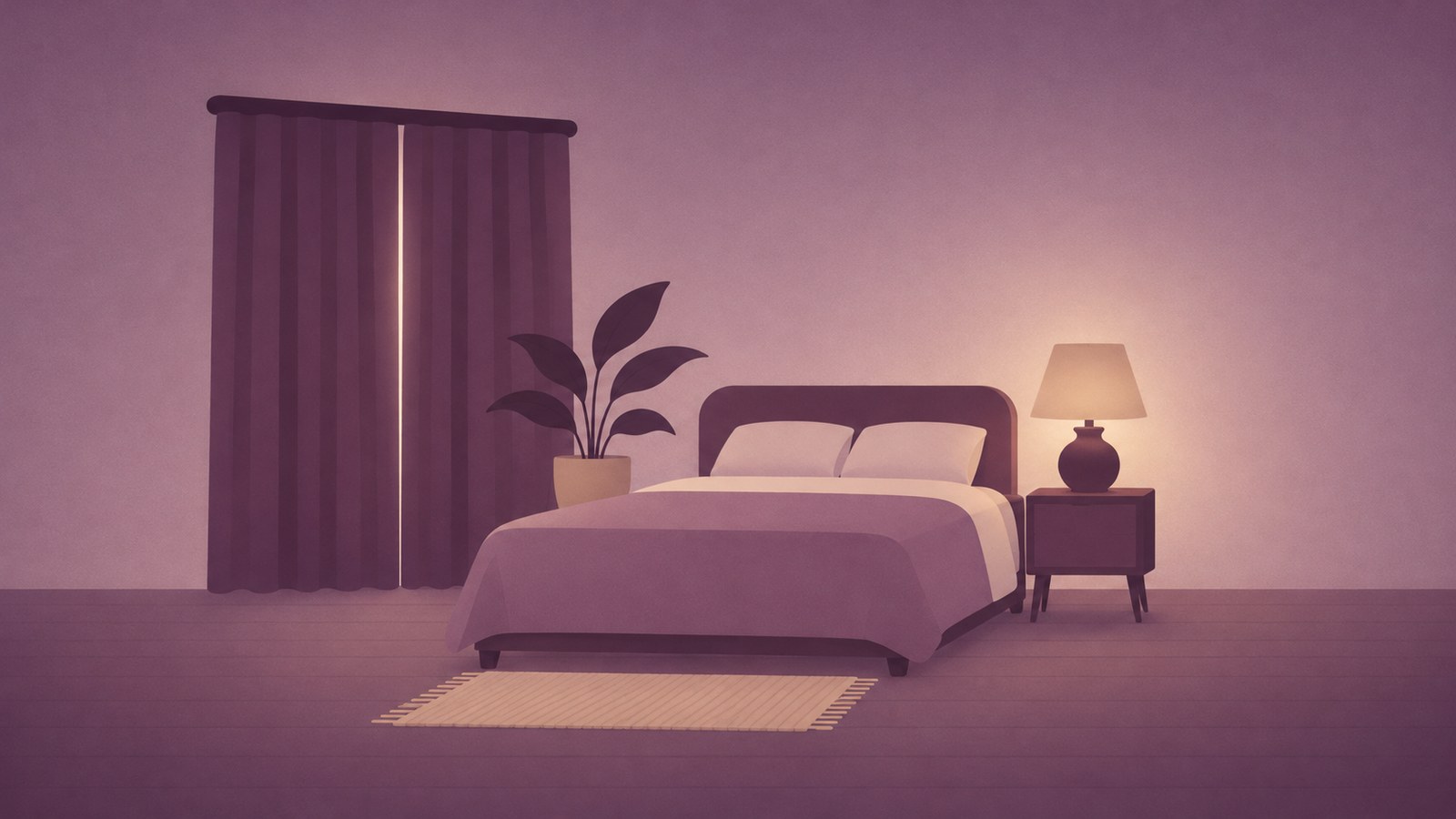
- Close the curtains fully, or try blackout curtains or a blind if outside light is strong.
- Cover or unplug small glowing lights with a bit of tape or a switch.
- Choose a soft, warm bedside lamp rather than a bright bulb for evening reading.
- If total darkness is not possible, a soft sleep mask is a cheap and cosy alternative.
Keep it a little cool
Most people sleep better in a room that feels slightly cool rather than warm. Many find somewhere around 16 to 19 degrees Celsius (about 60 to 66 Fahrenheit) comfortable, though you know your own body best.
Open a window for a few minutes before bed to freshen the air, and choose bedding that suits the season. Layers work well, because you can slip one off in the night without fully waking up.
Soften the sound
You cannot always control noise, but you can often soften it. A rug and curtains absorb echo and street sound. Soft earplugs can help if you live on a busy road or share a home with early risers.
Some people enjoy a steady, gentle background sound, such as a fan or soft rain, because it covers sudden noises. Try it for a week and see if it suits you.
Clear the clutter you can see from your pillow
Lie down and look around. Whatever your eyes land on is what your mind will think about. A pile of unopened post or a heap of clothes on a chair can quietly say “unfinished jobs.”
Take 10 minutes this evening to try this mini reset:
- Move any work items, papers and laptops out of the bedroom, or at least into a closed drawer or box.
- Put clothes in the wardrobe or laundry basket.
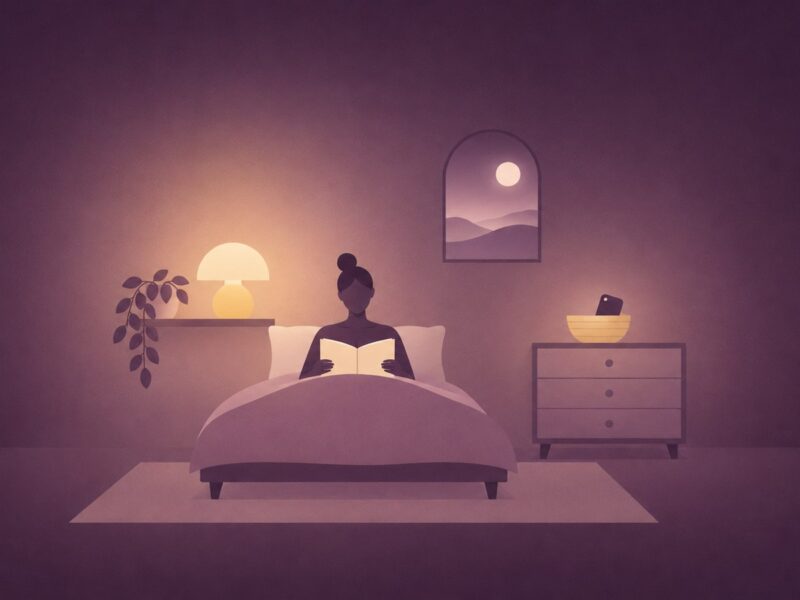
- Clear your bedside table down to a lamp, a glass of water and one book.
- Make the bed. It is a small act that makes the whole room feel finished.
Tip: if the room feels too big to tackle, begin with just the bedside table. One calm surface is a lovely start.
Add a few comforting touches
Once the basics are in place, add things that make you feel looked after. A plant, a soft throw, a small rug to step onto in the morning, or a calming scent like lavender on a pillow spray can all help the room feel like a refuge. Choose only what you actually like, since the goal is a room that feels peaceful to you.
It also helps to give the bed one main job: sleep and rest. If you can, try to avoid working or watching exciting shows in bed, so your body learns that this spot means switching off.
A quick bedroom check before tonight
If you want a simple checklist, walk in this evening and ask yourself five questions. Is it dark enough? Is it comfortably cool? Is it quiet enough for you? Can I see anything that feels like a to-do list? Does the bed feel inviting?
Wherever you answer “no”, you have found your first small project. You do not need to fix them all in one evening. Even one “yes” more than last week is a good result, and your future sleepy self will thank you.
Try one change at a time
Do not change everything at once. Choose one idea, such as darker curtains or clearing the bedside table, and live with it for a few nights. Notice how the room feels when you walk in and when you wake up.
Your bedroom is your own small sanctuary, and it deserves a little care. When you are ready to pair your calmer space with a calmer body, your first live class is free, and a gentle evening stretch is a lovely way to meet that freshly tidied bed.