Somewhere in your childhood, someone probably told you to stand up straight. It is advice that tends to make us tense, pull our shoulders back too hard and forget about it within thirty seconds. Good posture is not about holding a stiff position. It is about feeling balanced, and moving easily.
Here are some friendly everyday habits that help you feel taller and more relaxed, without constantly thinking about it.
There is no single perfect posture
Bodies are different, and the best posture is usually the next one. Staying in any position for too long, even a good one, gets tiring. So think of posture as a habit of checking in and changing position, rather than a rule to obey.
A quick reset you can do anywhere
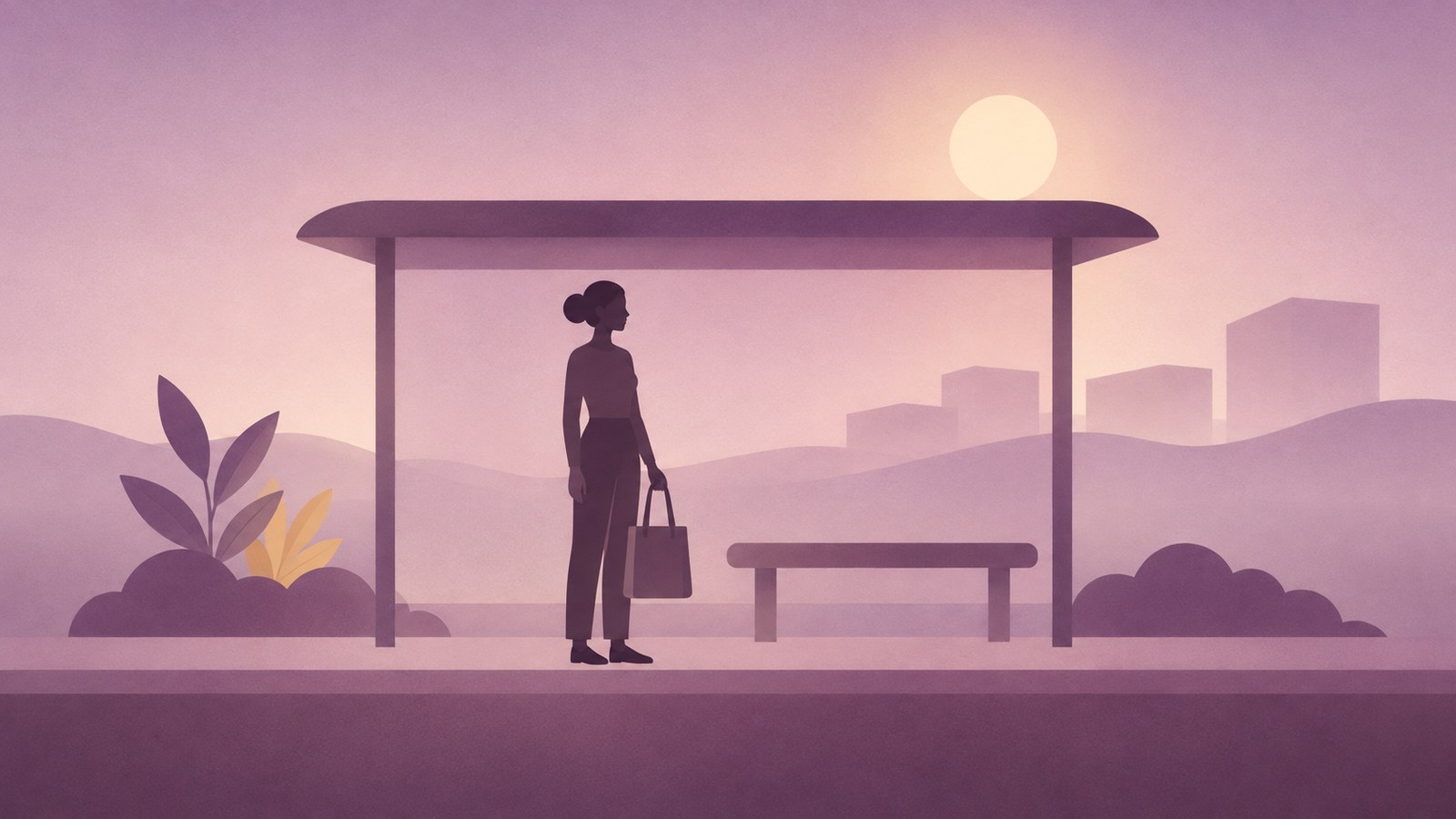
Try this at a bus stop, in a queue or at the kitchen counter. It takes about ten seconds.
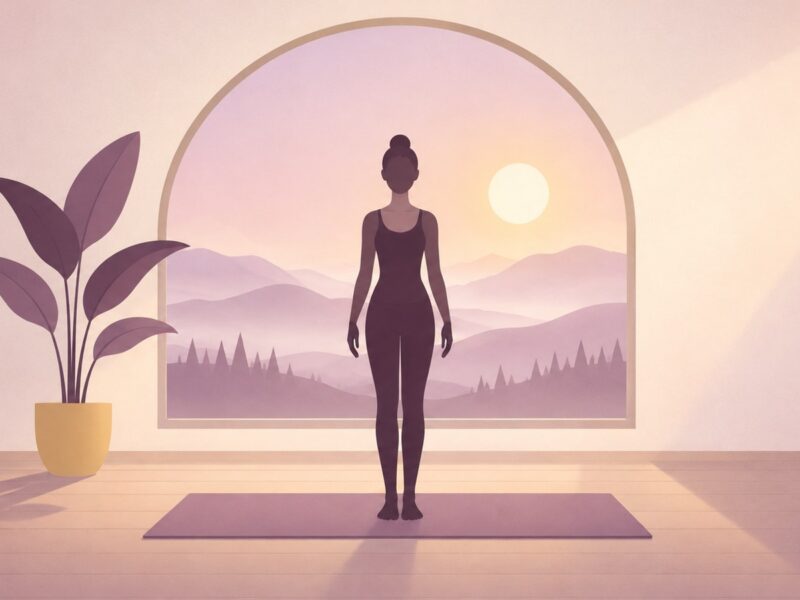
- Feel both feet on the ground, with your weight spread evenly.
- Soften your knees slightly.
- Imagine the crown of your head floating upwards.
- Let your shoulders drop away from your ears.
- Take one slow breath in and out.
That is it. You are not forcing anything, just waking up your awareness. In my classes, we call this mountain pose, and it is where almost every practice begins.
Standing habits
Standing well is mostly about balance and small shifts.
If you stand for long periods, shift your weight now and then. Rest a foot on a low step if you can, or alternate which leg you lean on. Avoid locking your knees, since that tends to tip your hips and tire your lower back.
When you wait for a bus or a train, try not to slump into one hip. Spread your feet a little wider than usual, and imagine a gentle line from your ears to your shoulders to your hips.
Sitting habits
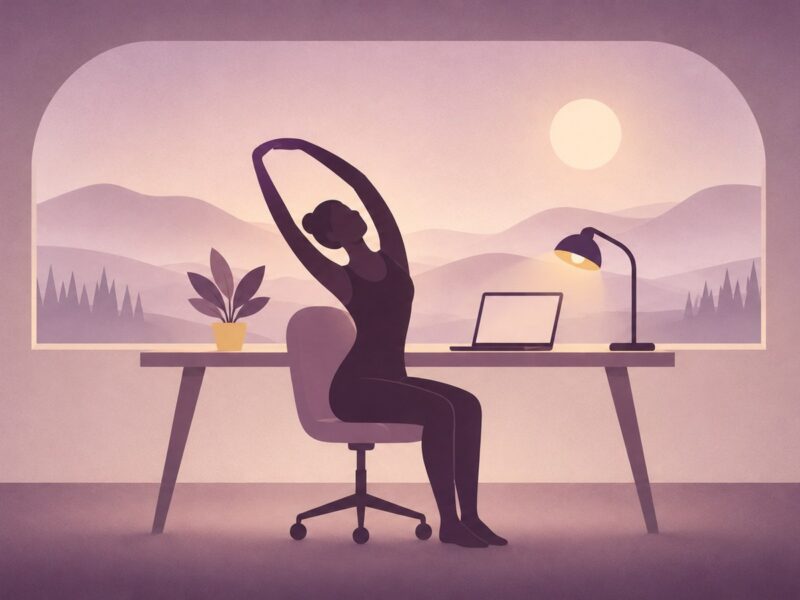
Many of us sit for a large part of the day. A few small adjustments can make a difference.
- Place both feet flat on the floor, or on a footrest.
- Sit towards the front of the chair, with your sit bones grounded.
- Keep your screen at about eye level, so your neck does not tilt down.
- Move often. Stand up, walk or stretch at least once an hour.
Set a gentle alarm every hour, stand up, and take a slow breath before you sit down again. It sounds almost too simple, yet it is one of the most helpful habits I know.
Carrying things
A heavy bag on one shoulder can pull the body sideways. Switch sides regularly, or use a backpack with both straps. When you carry shopping, divide it between two hands and keep it close to your body. If you use a tote like the one in our cover picture, try not to hike one shoulder up to hold the strap.
Tip: put a small sticky note on your monitor or fridge with the word “breathe”. Every time you see it, take one breath and let your shoulders relax.
Gentle movements that support good posture
Strong, flexible muscles make an easy posture feel natural. These three moves take only a couple of minutes:
- Shoulder rolls: eight slow rolls backwards, then eight forwards.
- Chest opener: clasp your hands behind your back, lift them slightly and breathe for five breaths.
- Cat-cow: on hands and knees, round and arch your spine ten times with your breath.
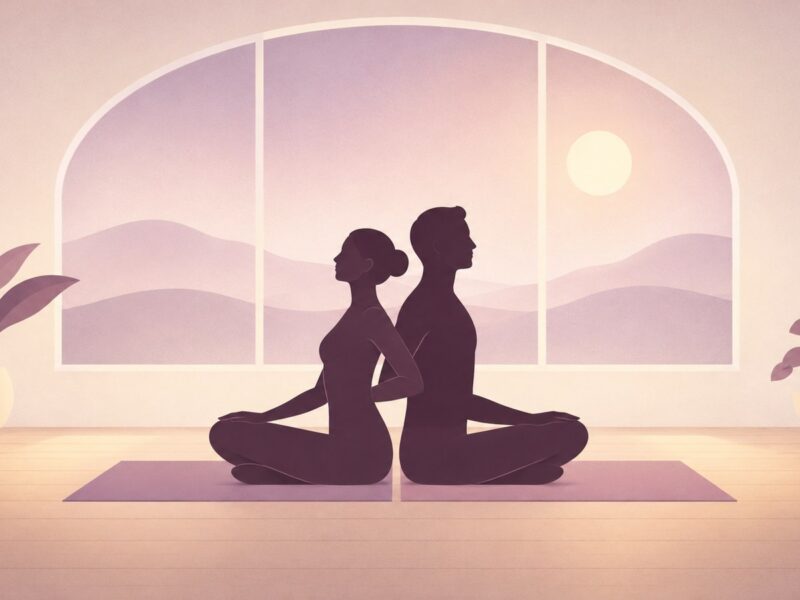
If you spend your day sitting, gentle hip openers are a great addition, because tight hips often tug on the lower back.
Sleeping and resting
Posture is not only about the hours you are upright. A supportive pillow that keeps your neck level and a comfortable position when you read in bed or scroll on the sofa matter too. Prop your back with cushions, avoid craning your head towards a small screen, and change position when you notice you are stiff. Rest is part of good posture, and your body will thank you for it.
Be kind to yourself
You will forget, and that is perfectly fine. Noticing that you have slumped is the habit itself. Each time you notice, you simply shift, breathe and carry on, without criticism. Over weeks, this kind of kindness tends to work better than rigid rules.
If you have ongoing back, neck or shoulder discomfort, stop anything that hurts and check in with a professional.
If you would like to practise body awareness with a teacher guiding you, your first live class is free, and Sandra will gladly show you how mountain pose feels in practice.