The first strawberry of summer tastes nothing like one bought in the middle of winter. If you have ever bitten into a sun-warmed tomato and thought, “Oh, so that is what they are meant to taste like,” you already understand seasonal eating.
It is not a rule or a lifestyle you have to commit to. It is simply a way of noticing what is at its best right now, and letting the calendar inspire your cooking a little.
Why bother?
Food that is in season tends to taste better, because it has had time to ripen. It is often easier to find and can be friendlier on the budget. And there is something quietly nice about having different foods to look forward to through the year, instead of eating the same things all twelve months.
A rough guide (it varies where you live)
Exactly what is in season depends on your region, so use this as a loose idea and trust your local shops:
- Spring: asparagus, peas, radishes, rhubarb, fresh herbs
- Summer: tomatoes, berries, courgettes, cucumbers, peaches
- Autumn: pumpkin, apples, pears, mushrooms, beetroot
- Winter: root vegetables, cabbage, leeks, citrus fruit, kale
Easy ways to start
- Pick one seasonal thing a week. Choose one fruit or vegetable you do not usually buy and see what you can do with it.
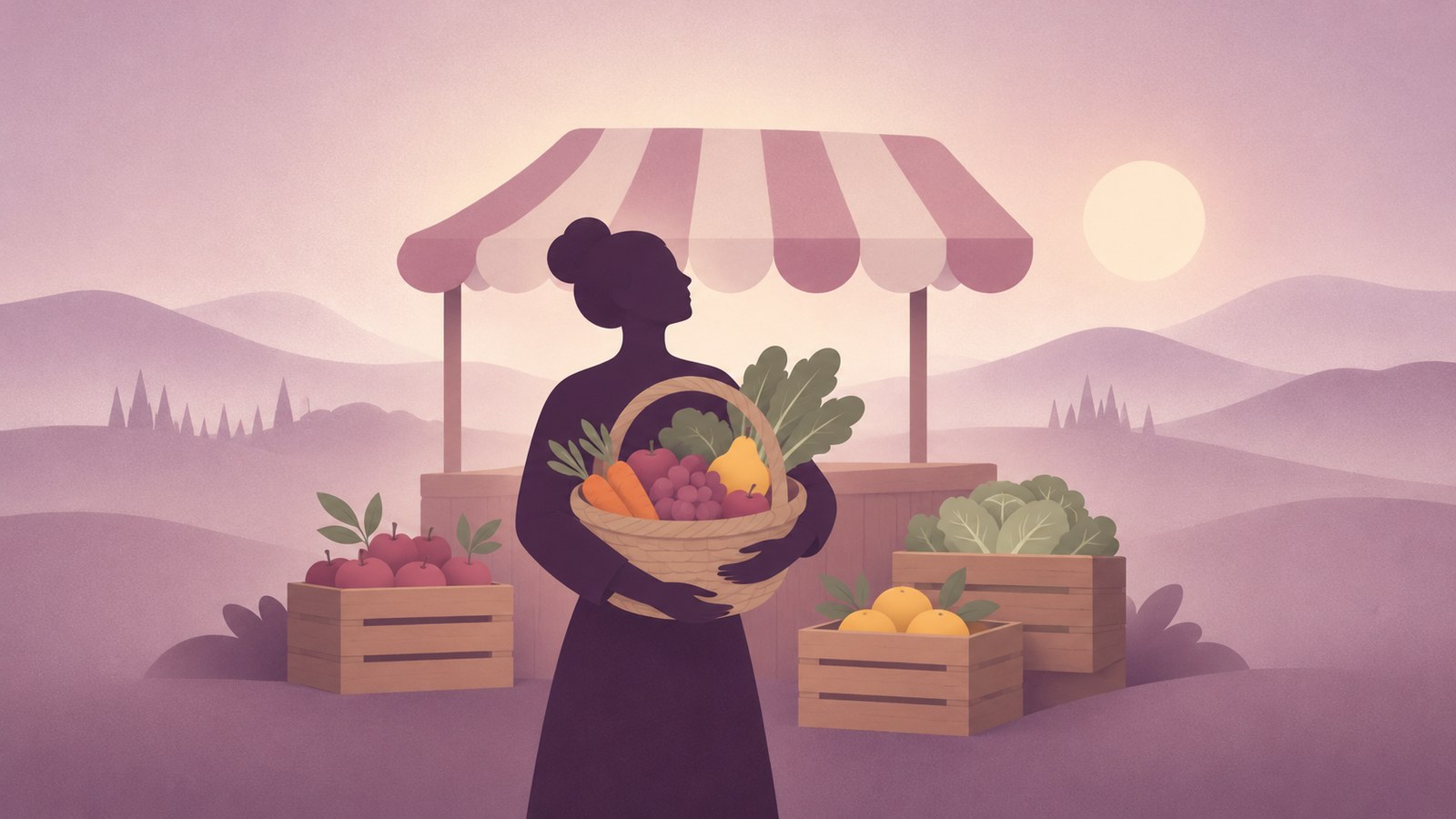
- Visit a market. Local stalls make it easy to see what is abundant. Ask the seller how they like to cook it; most are happy to chat.
- Look for the “lots of it” signs. When something is piled high and reasonably priced, it is probably in season.
- Check the label. Many supermarkets show where produce comes from, which hints at what is local right now.
Simple ideas for each season
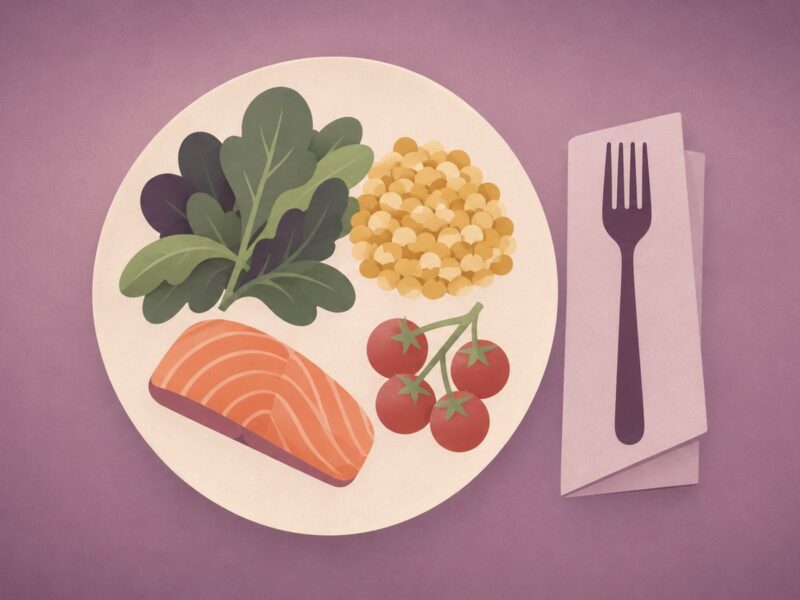
You do not need a complicated recipe. Try roasting vegetables with olive oil and salt in cooler months, and eating raw or lightly cooked produce in warm ones. Soup works for nearly everything in autumn and winter. In spring and summer, a big salad, grilled vegetables, or fruit simply served with yoghurt can be lovely.
Tip: roast almost any seasonal vegetable in a hot oven for 25 to 30 minutes, until golden at the edges. It nearly always works.
Frozen and tinned are still welcome
Seasonal eating does not mean avoiding everything else. Frozen berries in January, tinned tomatoes in February, a banana whenever you fancy one: all of these are perfectly good. Think of seasonal food as a pleasant extra, not a test you can fail.
Let the season set the mood
Seasons also invite us to adjust how we live. Lighter, cooler food on warm days, warm and cosy bowls when it is chilly. Our slow Sunday rituals are a nice place to enjoy the first soup of autumn or the first berries of summer.
In my classes we often talk about moving with the time of year, a little more energy in spring, a little more rest in winter. Food can follow the same gentle rhythm, with no rules attached.
Make a seasonal “first” list
Try keeping a little note on your phone or fridge of the foods you look forward to. The first asparagus, the first pears, the first clementines of winter. Marking them gives the year a pleasant rhythm, and it is a nice thing to share with children or friends.
Grow a little yourself
If you have a sunny windowsill or a balcony, a pot of herbs is a lovely way to feel the season. Basil in summer, parsley and chives in spring, rosemary through the colder months. Even one plant gives you a reason to look outside each morning, and a handful of fresh leaves can lift a very simple meal.
Waste less, enjoy more
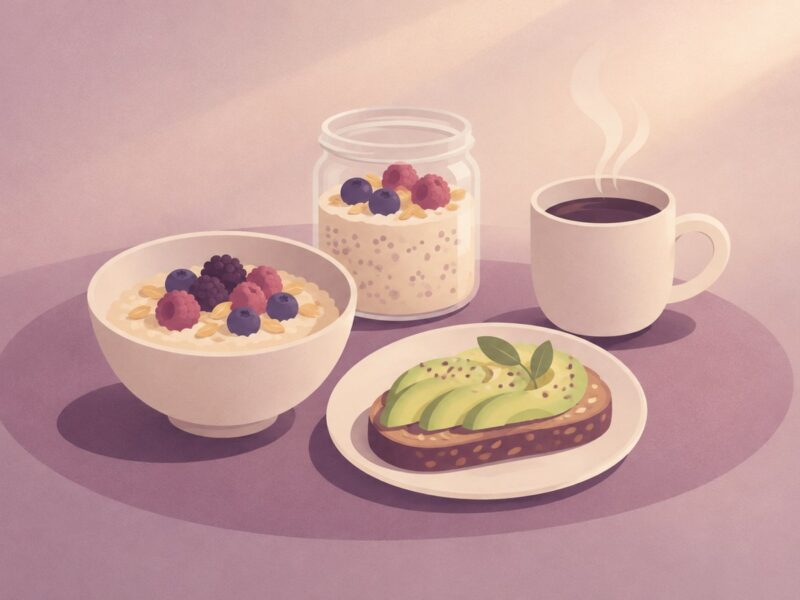
When something is plentiful, you can enjoy it in several ways. Eat berries fresh, stir the softer ones into porridge, and freeze the rest. Roast a tray of pumpkin, then turn the leftovers into soup the next day. Cooking with the season often means cooking with what is abundant, which can be kinder to both your budget and your time.
If it all sounds like a lot, begin with just one season. Next time the weather turns, ask yourself what is at its best right now, buy one thing, and cook it simply. Taste it slowly. That single moment of noticing is the whole practice, and everything else is optional. You can add more whenever it feels fun.
Walking to a market, choosing something fresh and taking it home is a small ritual in itself, and it gets you out of the house too. If you would like to match your food with some gentle movement, your first live class is free.